
"How we met" stories are among the most-watched couple content online right now, and guests are curious about yours too. Whether you matched on an app, bumped into each other at a friend's party, or reconnected years later, your story is the warmest part of your wedding website. It is also the part people get stuck on.
This guide gives you a simple structure, a few starting lines, and a checklist so you can finish it in one sitting.
Why your story belongs on your site
Guests arrive from different corners of your lives. Some know one of you well and the other barely. A short story helps your coworkers understand your college friends' inside jokes, and helps both families feel like they know the person you are marrying.
It also gives your wedding website a personality. Date, venue, and schedule are the practical parts. The story is the reason people click through twice.
Pick one angle, not the whole timeline
The biggest mistake is trying to tell everything. Choose one of these angles:
- The first moment. Where you were, what you noticed, what happened next.
- The turning point. The date, trip, or conversation when you both knew.
- The proposal. A short version, kept to the moments that surprised you.
- The funny version. Each of you writes what you remember, and the two accounts do not match.
Aim for 150 to 300 words. That is roughly three short paragraphs, enough to read on a phone without scrolling forever.
A simple three-part structure
- The spark (2 to 3 sentences). Set the scene. Name the place and one small detail.
- The middle (3 to 5 sentences). One or two moments that show who you are as a pair: a road trip, a shared hobby, a hard season you got through together.
- The now (2 sentences). Where you are today and what you are looking forward to at the wedding.
Starting lines when you are stuck
Try finishing one of these:
- "The first thing I noticed about [name] was..."
- "We should not have met, because..."
- "Our first date lasted much longer than planned because..."
- "I knew when..."
- "We are getting married in [season], and we cannot wait to see you there."
Write fast first. Edit second.
Two voices are better than one
A trick that works well: each of you writes your own version, then you put them side by side. Readers love seeing the same evening told two ways. If you do this, keep both short and let the differences stand. Disagreements about who said hello first are charming.
What to leave out
- Exes and past relationships. Not the place.
- Anyone's private details. If a friend or relative played matchmaker, ask before naming them.
- Overly long timelines. Skip every date in the middle.
- Anything you would not say in front of your grandparents. Guests of all ages will read it.
Make it look as good as it reads
A story with no visual feels like a wall of text. Add one or two photos that fit the moment you describe. A simple layout, with the story beside a photo, is enough. Short paragraphs, a heading for each part, and a warm tone carry the rest.
On a wedding website, you can also pair your story with a photo gallery, a countdown, and a short timeline of milestones if you like that format.
Update it when you want
One advantage of having your story online is that it is easy to change. If you decide to add a funny detail the week before the wedding, edit the page once and everyone who opens your link sees the new version.
Your love story checklist
- ☐ Choose one angle (first moment, turning point, proposal, or funny version)
- ☐ Write a rough draft in under 20 minutes
- ☐ Keep it between 150 and 300 words
- ☐ Add one specific detail (a place, a song, a meal)
- ☐ Ask a friend to read it and say what stuck with them
- ☐ Remove exes, private details, and in-jokes nobody else will get
- ☐ Add one or two photos you both like
- ☐ Read it aloud once to check the rhythm
- ☐ Check names and spellings
Where to put it
Most couples place the story on its own page or in a section near the top of the site, right after the welcome and date. Keep details such as schedule and travel on separate pages so guests can find them quickly.
FAQ
How long should our love story be? Around 150 to 300 words works well. Short enough for a phone screen, long enough to include a real moment.
Should we write it together or separately? Both work. Writing separately and pairing the two versions often produces the funniest and most personal results.
Do we have to share the proposal? No. Some couples prefer to keep it private, or to share only a sentence. Include it only if you want to.
What if our story is not very romantic? Honest and specific beats dramatic. A good story about an awkward group project still makes guests smile.
Put your story online
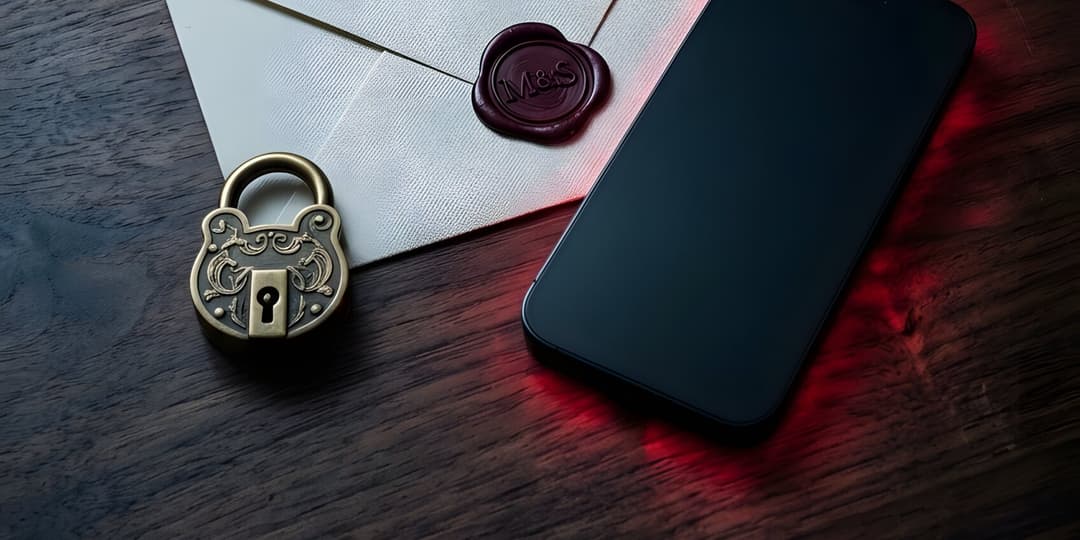
Wedflip has 160+ designer templates, including envelope intros that open like a real invitation, and you can start with a free 30-day trial, then upgrade to keep your site online after the 30 days. Plus is $15 one-time with a year online, and Pro is $29 one-time and keeps it online forever. No subscriptions. Use code WEDSEASON30 for 30% off Plus or Pro.
For more on what to put on your site, read our guide to wedding website wording examples and wedding website FAQ examples.
Sources: Trend signal from popular "how we met" story videos on YouTube, observed Nov 9, 2026. Writing structure is general editorial advice, not drawn from a specific study.