Let's be honest about something. When the cake is eaten, the flowers have wilted, and the dress is back in its box, your wedding photos are what remain. They're the one investment from your wedding day that appreciates in value every single year. A photo from 20 years ago isn't just a picture — it's a time machine.
Yet surprisingly, many couples treat wedding photography as an afterthought. They allocate 3% of their budget to the one vendor who captures everything. That's like spending $50,000 on a house and $100 on the locks.
Whether you're hiring a $2,000 photographer or a $10,000 one, these tips will help you get the most stunning wedding photos possible. Because the best photos aren't just about equipment — they're about preparation, communication, and knowing what matters.
How Much Should You Spend on Wedding Photography?
First, let's talk numbers. Wedding photography pricing in 2026 varies wildly based on experience, location, and deliverables:
Budget Tier: $2,000–$4,000
- Typically 4-6 hours of coverage
- 300-500 edited photos
- One photographer
- Online gallery for viewing and downloading
- Best for: Budget-conscious couples, small weddings, elopements
Mid-Range Tier: $4,000–$7,000
- 8-10 hours of coverage
- 500-800 edited photos
- Second photographer included
- Engagement session included
- Premium online gallery + prints
- Best for: Most couples, standard weddings
Premium Tier: $7,000–$12,000+
- Full-day coverage (10-12 hours)
- 800-1,200+ edited photos
- Two photographers
- Engagement session + bridal session
- Fine art album
- Videography add-ons available
- Best for: Luxury weddings, couples who prioritize photography
The Real Question: What's Worth It?
Here's our honest take: never go below $3,000 for a professional photographer. Below that price point, you're often getting someone who's still building their portfolio or shooting on the side. Your wedding photos need to be handled by someone experienced, insured, and equipped with backup gear.
The sweet spot for most couples is $4,500–$6,500 — enough to get a seasoned professional with a strong portfolio, second shooter, and a full day of coverage.
The Must-Have Shot List
Every photographer will bring their artistic eye, but you still need a shot list for the must-have moments. Here's the comprehensive list your photographer needs:
Pre-Ceremony
- Getting ready details (dress, rings, shoes, invitation suite)
- Getting ready candids (hair, makeup, emotional moments)
- Gift exchange between partners (if doing this)
- First look (if applicable)
- Wedding party group photos
Ceremony
- Processional (everyone walking down the aisle)
- First look at the altar (partner seeing their person for the first time)
- Ring exchange
- Vow exchange
- The kiss
- Recessional
- Guest reactions during key moments
Post-Ceremony
- Family formal portraits (create a list in advance!)
- Wedding party portraits
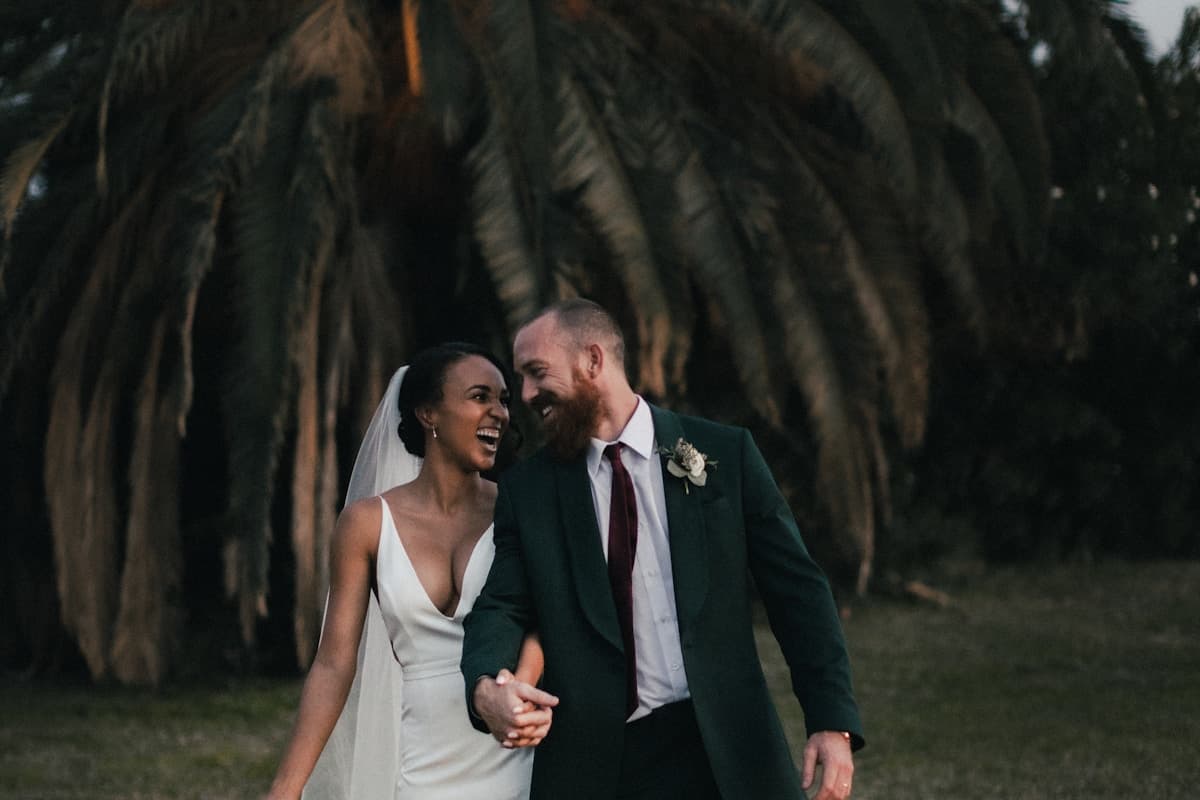
- Couple portraits (the glamorous shots)
Reception
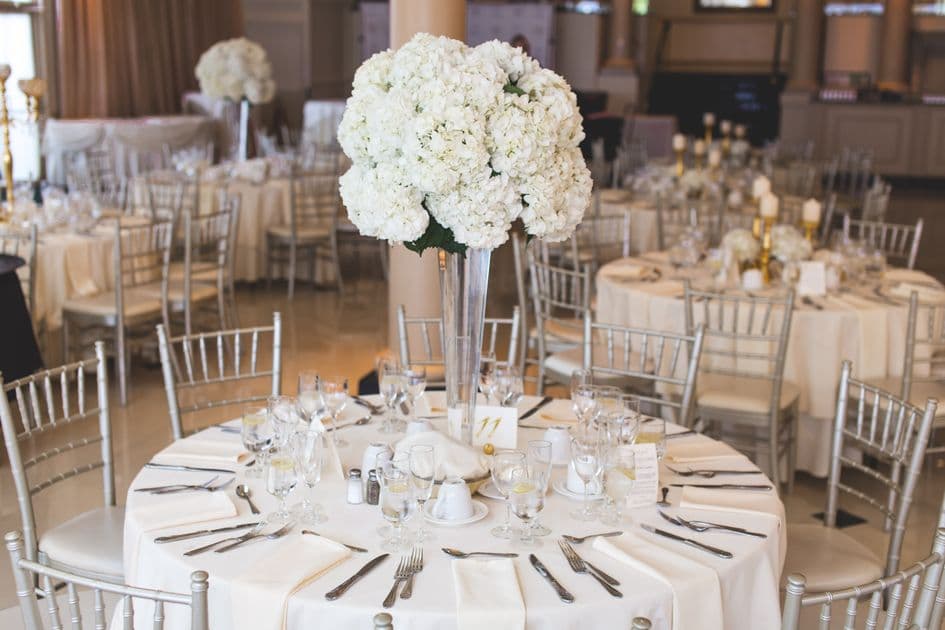
- Venue and décor details before guests enter
- Grand entrance
- First dance
- Parent dances
- Toasts and speeches
- Cake cutting
- Bouquet and garter toss (if doing them)
- Dance floor candids
- Couple's private moments
- Sparkler send-off or exit
Pro Tip: Share Your Shot List 2 Weeks Before the Wedding
Don't spring this on your photographer the day of. Send your list in advance so they can plan for the shots you care about most. Most photographers appreciate this — it helps them prioritize your must-haves while still capturing their creative vision.
Golden Hour: The Secret to Magical Photos
If there's one thing that separates good wedding photos from truly magical ones, it's light. And the best light happens during golden hour — the hour after sunrise and the hour before sunset.
Why Golden Hour Matters
- Warm, soft light that flatters every skin tone
- No harsh shadows under eyes or chins
- Beautiful backlit effects that create that dreamy, ethereal look
- Rich, golden colors that make outdoor photos sing
How to Plan for Golden Hour
Check the sunset time for your wedding date and location. Then work backward:
- Schedule your couple portraits 60-90 minutes before sunset
- Plan your ceremony timing so you have time for golden hour photos after
- Communicate this to your photographer — they'll know exactly what to do
Example: If sunset is at 7:30 PM, schedule couple portraits from 6:30-7:15 PM. Your photographer will use that window to capture the most stunning photos of the day.
What If Golden Hour Doesn't Work?
Not every wedding can accommodate golden hour photography. If your timeline doesn't allow it, ask your photographer about:
- Blue hour (20-30 minutes after sunset) — moody, romantic lighting
- Overcast days — nature's softbox! Overcast light is actually ideal for portraits
- Indoor creative lighting — good photographers can work magic with any light
The First Look: To Do or Not to Do?
The first look is one of the biggest photography decisions you'll make. Here's an honest breakdown:
Pros of a First Look
- More time for couple portraits — you can take photos before the ceremony
- A private, emotional moment — just you two (and the photographer)
- Better for your timeline — cocktail hour isn't spent on photos
- Less pressure during the ceremony — you've already seen each other
- More photos overall — typically 30-50% more couple portraits
Cons of a First Look
- Loss of the aisle moment — some couples cherish that first look down the aisle
- May feel rushed — depending on your timeline
- Some cultural traditions don't align with it
Our Recommendation
If photography is a priority, do a first look. The images from first look moments are consistently some of the most emotional, beautiful photos in a wedding gallery. That private, unscripted reaction is something the aisle moment rarely captures.
Questions to Ask Your Photographer Before Hiring
Don't just look at their portfolio. Ask these critical questions:
- "Can I see a full wedding gallery?" (Not just the highlights — the full thing.)
- "What happens if you get sick on our wedding day?" (They should have a backup plan.)
- "Do you carry backup equipment?" (Two cameras, extra lenses, backup flash.)
- "How many weddings do you shoot per year?" (30-50 is a healthy range.)
- "What's your turnaround time?" (6-8 weeks is standard.)
- "Do you edit every photo or just selects?" (Ask to see editing style examples.)
- "What's included in the contract?" (Hours, deliverables, travel fees, overtime rates.)
- "Can we request specific poses or shots?" (A good photographer welcomes this.)
Candid vs. Posed: The Perfect Balance
The best wedding galleries have a mix of both. Here's how to think about it:
Candid Photos (60-70% of your gallery)
- The unscripted laughter during speeches
- Your grandmother's tears during the vows
- The wild dance floor moments
- The quiet, stolen glances between you two
- Guests enjoying themselves
Posed Photos (30-40% of your gallery)
- Family formal portraits
- Wedding party group shots
- Styled couple portraits
- Detail shots (rings, dress, venue)
The key: Tell your photographer your preference upfront. Some couples want 80% candid, others want 50/50. Neither is wrong — it's about what reflects your personality as a couple.
How Your Wedding Website Helps Your Photos
This is an underrated tip. Your wedding website can actually improve your photography by:
- Communicating photo expectations to guests — share your social media policy and photo preferences
- Providing a platform for your photographer to share the gallery — no more burning CDs or USB drives
- Creating a photo sharing page — guests can upload their own candid shots, giving you a second perspective
- Sharing the timeline — guests know when key photo moments are happening
Wedflip offers a built-in photo gallery feature that makes sharing your wedding photos with guests effortless. After the wedding, you can upload your professional photos and let guests browse, download, and share their favorites — all from one beautiful, unified platform that ties your entire wedding experience together.
Working With Your Photographer: Day-of Tips
The Week Before
- Confirm timeline and shot list via email
- Share family portrait grouping preferences
- Let them know about any "must-avoid" shots (exes, specific people, etc.)
- Provide vendor contact info for coordination
The Day Of
- Trust them. You hired them for their expertise. Let them do their thing.
- Don't check your phone during portrait sessions. Be present.
- Communicate openly if something feels off — a good photographer will adjust.
- Have fun. Seriously. The best photos come from genuine joy, not rigid posing.
Post-Wedding
- Leave a review — it means the world to small business photographers
- Share your favorites on social media and tag them
- Order prints and albums — photographers love seeing their work displayed
Photography Trends in 2026
The wedding photography landscape is evolving:
- Film photography revival: More couples are requesting hybrid digital/film shoots for that timeless, grainy aesthetic
- Aerial drone shots: Dramatic overhead angles are becoming standard
- Documentary style: Raw, unfiltered storytelling over posed perfection
- Same-day edits: Short highlight videos delivered during the reception
- AI-enhanced editing: Faster turnaround times without sacrificing quality
- 360° virtual galleries: Immersive online viewing experiences
The Bottom Line
Your wedding photos are an investment in your memories. Treat them with the importance they deserve — choose a photographer whose style resonates with you, communicate your vision clearly, plan for the best light, and most importantly, be present on your day.
The most stunning wedding photos aren't the result of perfect conditions or expensive equipment. They're the result of genuine emotion captured by a skilled professional who knows how to freeze a moment in time.
Start your search early, book quickly (the best photographers are booked 12-18 months out), and don't be afraid to invest in this one vendor more than any other. Twenty years from now, you won't remember what the centerpieces looked like — but you'll treasure every photo.